
Our Research
What problem are we studying ?
Everyday spaces are built for one kind of body, and that quietly locks people with disabilities out of ordinary life.
Everyday spaces, such as homes, streets, and neighborhoods, are often designed for a “one-size-fits-all” world. This creates hidden barriers that make daily activities, like moving around, socializing, shopping, or working, hard or impossible for people with different abilities. We study how these environments disable people and explore ways to design spaces that support independence, dignity, and full participation in life.
Why does this research matter?
Canada promised a barrier-free country by 2040, and this project builds the evidence needed to actually get there.
Canada aims to be barrier-free by 2040, but achieving this requires evidence on what housing and neighborhood features help or hinder people with different abilities, how many homes need improvement, and where changes are most needed. Our project brings together experts in home design, accessible building assessment, and housing advocacy to develop practical tools, inform policy, and support communities in creating truly inclusive spaces. It also trains students to become future leaders in policy, design, planning, and advocacy for accessible living.
How is the community involved ?
People with disabilities in Vancouver and Halifax are shaping this research, along with participating in it.
The community plays a central role in our pilot assessment. Adult PDE living in rented multi-residential housing in Vancouver and Halifax are the participants, sharing their experiences and helping identify design barriers in homes and neighborhoods. Local partner organizations—Brightside, AHANS, LET’S, and ILNS—lead recruitment and outreach, connecting researchers with participants and disability networks. Community members also contribute to the audit process, providing feedback that informs the development and refinement of the assessment tool.
What are the expected outputs?
The pilot assessment will produce detailed evidence on home and neighborhood design barriers affecting adult PDE, alongside data on how environment quality relates to independence and quality of life. The project will also generate a refined audit tool, practical guidance for housing and planning interventions, and trained auditors and student researchers ready to lead inclusive design and accessibility initiatives in the community.
This project will produce a practical audit tool, housing guidance, and trained researchers who can drive real change.
Methodology
We combine home audits and in-depth interviews to capture both the physical barriers and the human experience behind them.
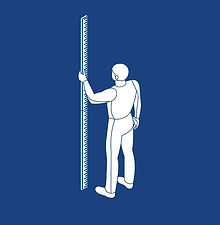


This study uses a mixed-methods approach, combining home accessibility audits, participant interviews, and demographic surveys to assess person-environment fit and understand lived experiences of individuals with mobility disabilities. We combine home interviews and audits to understand accessibility for adult PDE. Interviews capture participants’ lived experiences and perceptions of mobility barriers, while audits systematically measure physical features against accessibility standards.
Expected Timeline
1
Year One – 2025
-
Launch project and coordinate partnerships
-
Co-design audit tool with community partners
-
Train research assistants in sensitivity and field methods
-
Plan pilot study and prepare interview/audit instruments
-
Obtain ethics approvals and begin participant recruitment
2
Year Two – 2026
-
Collect data in Halifax and Vancouver
-
Conduct home audits and interviews with 60 participants
-
Transcribe, clean, and begin preliminary data analysis
-
Share updates with the community through blogs and presentations
3
Year Three – 2027
-
Complete final data analysis and synthesis
-
Develop recommendations and policy briefs
-
Share findings through presentations, infographics, and publications
-
Produce final project report and disseminate results to stakeholders and participants